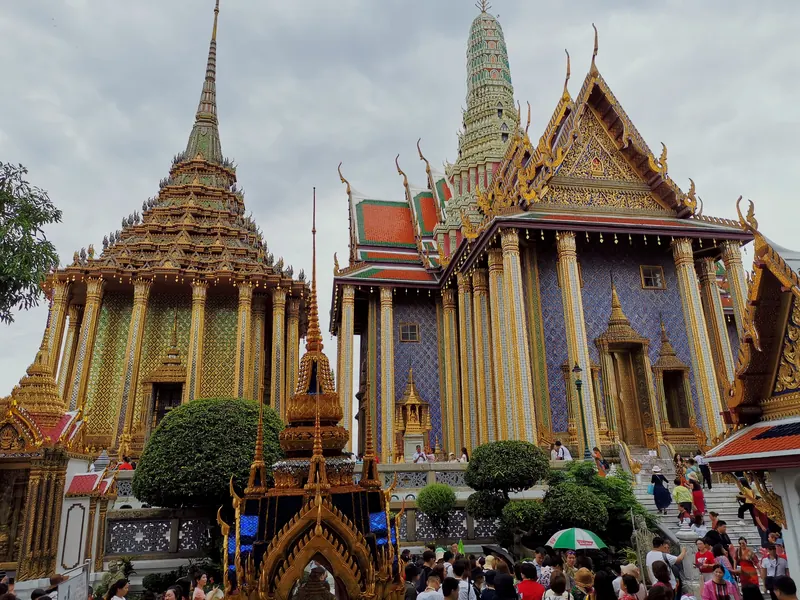
What to do
The temples of the royal quarter, Chinatown, the canals, the markets and the parks, sorted by the time you have: an hour, half a day, a full day or an evening.
Read the guide, What to doIn this guide

An independent guide, in English and French
What is worth crossing town for, where to stay to keep journeys short, and how to plan around the heat and the rain.
Bangkok has no single centre. The Chao Phraya runs through it from north to south: the royal quarter, Chinatown and the old trading streets are on the east bank, Thonburi and its canals on the west. Beyond the old town, Siam, Silom and Sukhumvit stretch along the Skytrain (BTS) and the metro (MRT).
Crossing the city can take longer than the visit itself, and the heat weighs on you even in the coolest months. Group your visits by area, keep the middle of the day for a museum, somewhere under cover or a food court, and the evening for Yaowarat Road, a night market, a rooftop bar, a muay thai fight or the river.
Three guides to read before you book, then to use once you arrive.
The temples of the royal quarter, Chinatown, the canals, the markets and the parks, sorted by the time you have: an hour, half a day, a full day or an evening.
Read the guide, What to doIn this guide
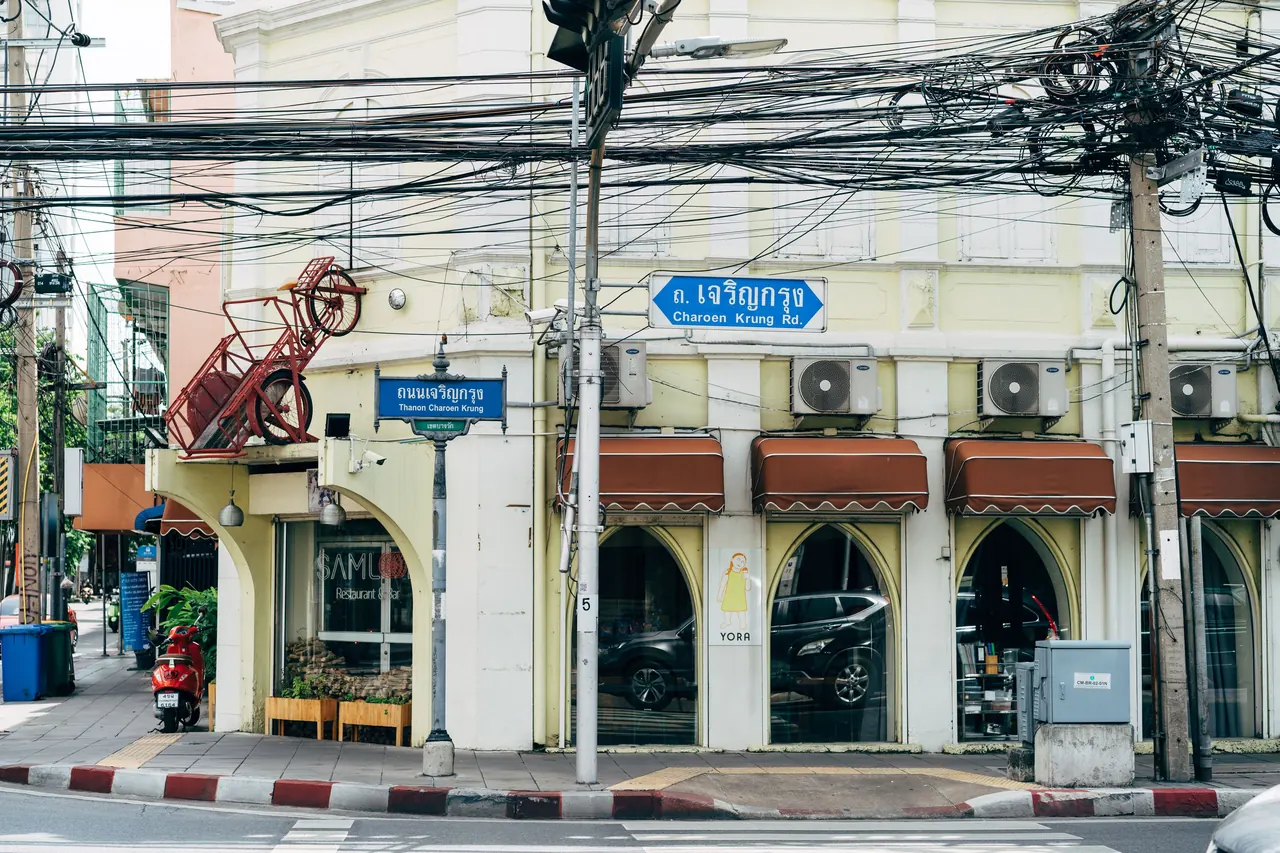
The right area depends on the journeys you will make and how you spend your evenings. The guide compares the old town, Silom, Asok, Siam and the riverside, then shows how to check a hotel's exact location.
Read the guide, Where to stay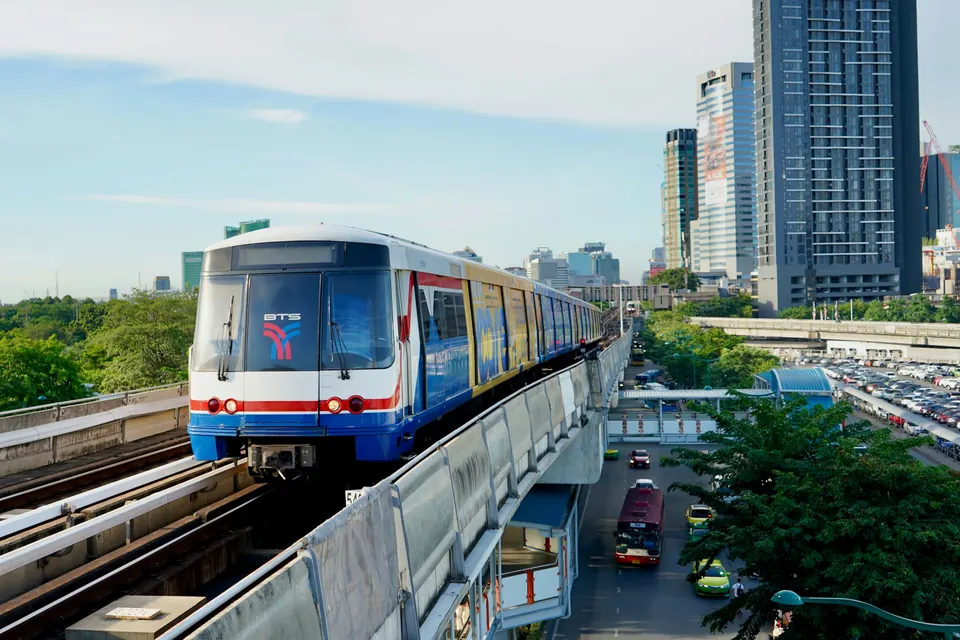
BTS or MRT, boats on the Chao Phraya, taxis and ride-hailing apps: which to use for which trip, and how a Rabbit card works.
Read the guide, Getting aroundIn this guide
A trading street and its back lanes, canals seen from the water, two parks with very different moods. Three guides, with the route, how to get there and the time to allow.
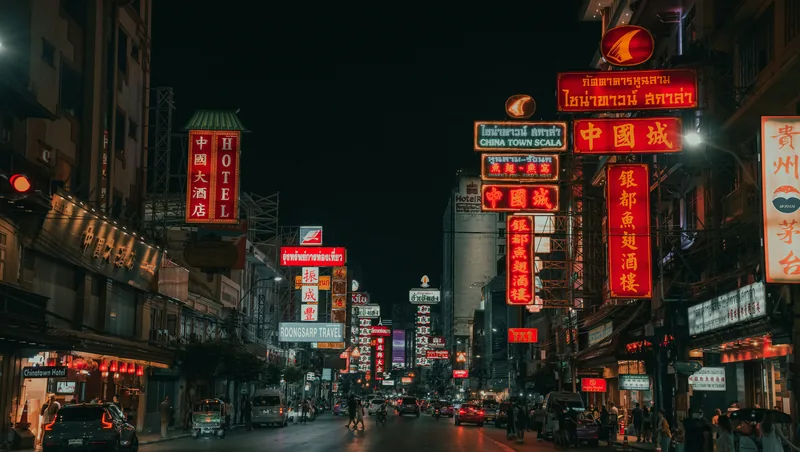
เยาวราช · ตลาดน้อย
lanes by day, Yaowarat by night
Read the guide, Chinatown and Talat NoiWhy go
You go from a busy trading street to a quieter riverside quarter where houses, shops and places of worship stand side by side.
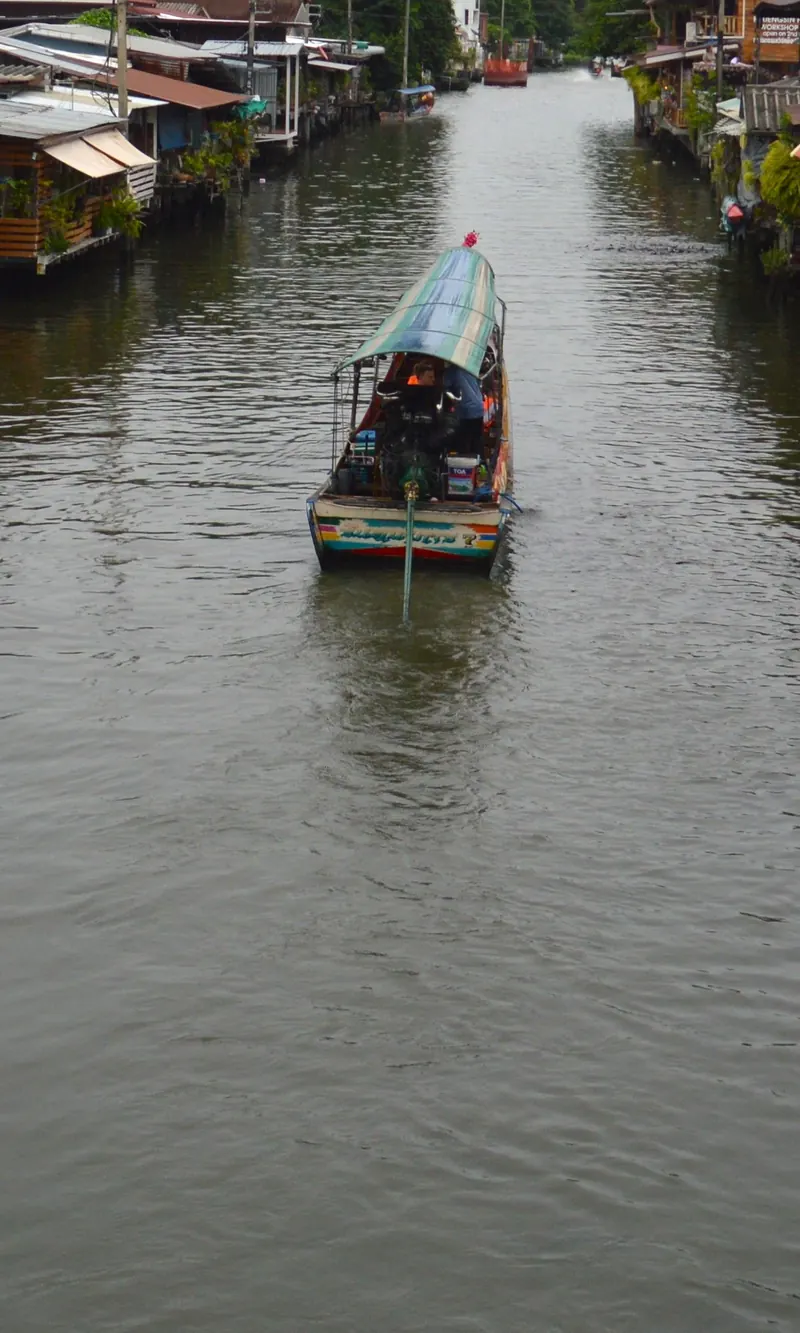
ธนบุรี
residential Bangkok, seen from the water
Read the guide, The Thonburi canalsWhy go
It is neither a floating market nor a show: stilt houses, piers and small temples. With two hours, choose a tour that includes a stop on foot.
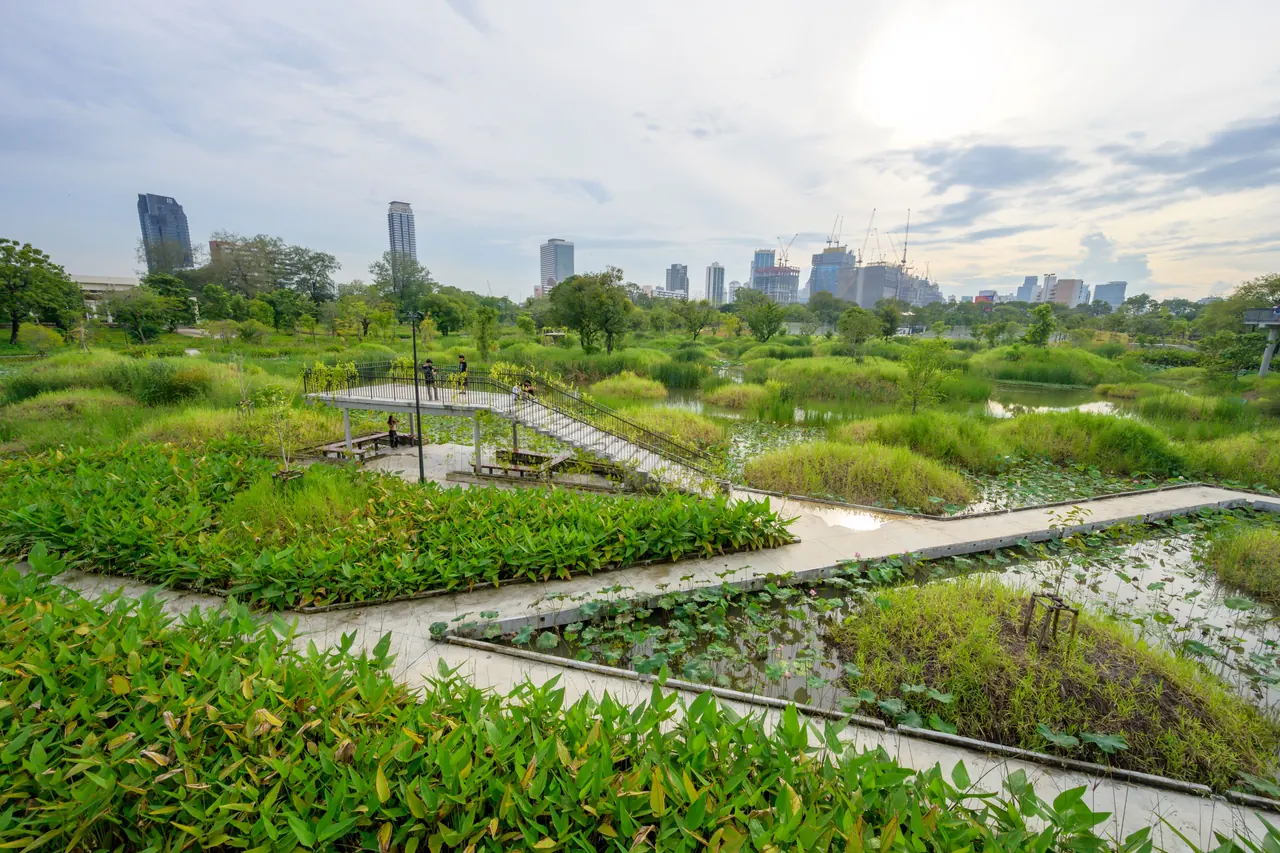
สวนลุมพินี · สวนป่าเบญจกิติ
an old garden and a new wetland
Read the guide, Lumphini and BenjakittiWhy go
Lumphini for shade, its lake and the monitor lizards; Benjakitti for walkways over the water, facing the towers of Asok. Allow an hour for each.
Also worth reading: Grand Palace · Wat Pho · Wat Arun · Wat Saket · Chatuchak · Ayutthaya · Jim Thompson House · All articles
Three pages for eating in Bangkok: choose a place by situation, understand street stalls and food courts, then recognise the dishes.
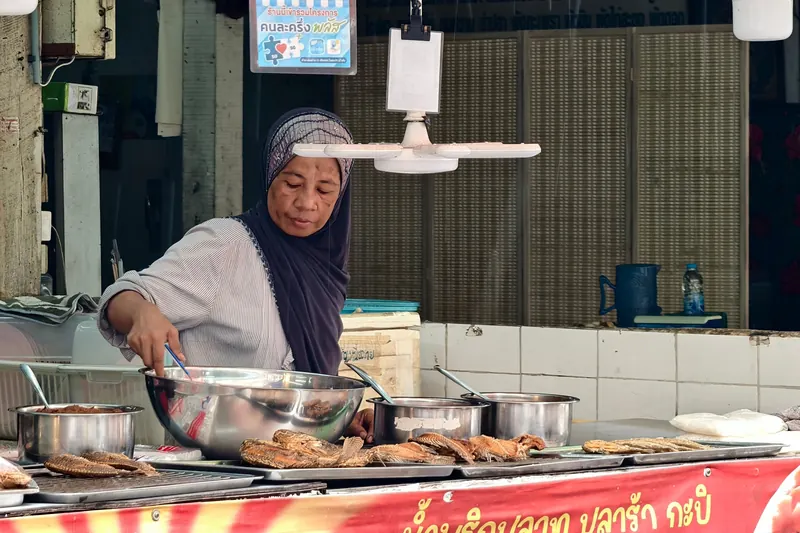
start from your situation, not from a ranking
Read the guide, Where to eat in BangkokWhat you will find
A quick lunch by a station, a street food evening, a seated meal when it rains: each choice gives an area, how to get there, what to order and a plan B.
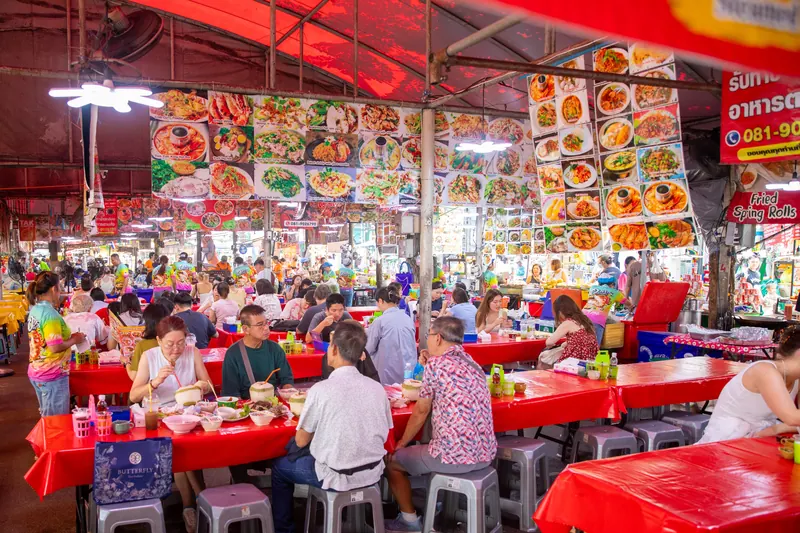
two settings, two ways of ordering
Read the article, Street food or food courtWhat you will find
A food court for a first meal or lunch on a hot day; a busy street for dinner, choosing dishes cooked to order and served hot.
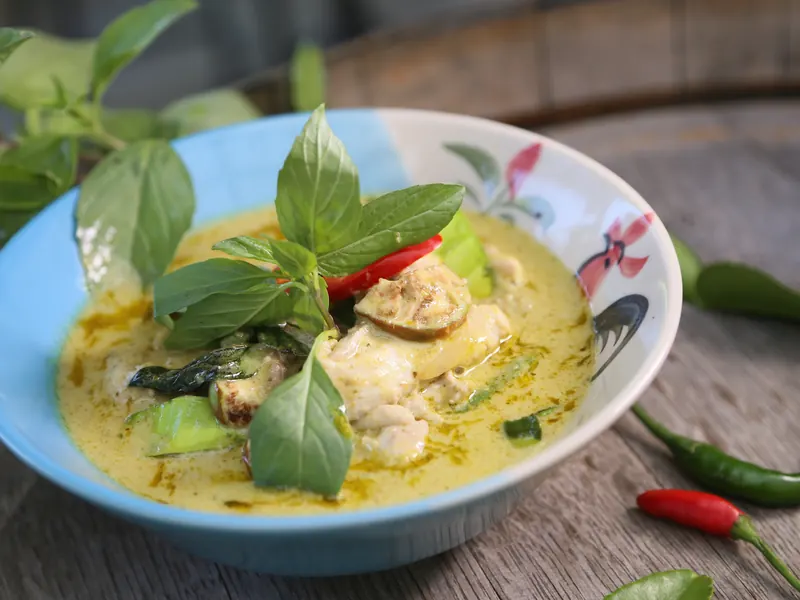
each with its name in Thai, ready to show
Read the article, Twelve Thai dishes to tryWhat you will find
A photo to recognise each dish, two cues on taste and texture, and the words to ask for it. Spice can be adjusted; ingredients much less so.
Any time of year works; what changes is how you plan the day. From November to February, the driest months, average highs still reach 32 to 34 °C. March to mid-May is the hottest stretch. From mid-May to mid-October there is rain on 15 to 21 days a month on average, most of all in September.
In strong heat, keep outdoor visits for the morning and late afternoon; on days of heavy rain, stay within one area. From December to March, check the air quality on the day.
Most of the visits in this guide need no booking. A booked activity helps when transport, tickets or a guide are the hard part: a day out of the city, a class, a night at the stadium. These activities are booked on GetYourGuide, through affiliate links.
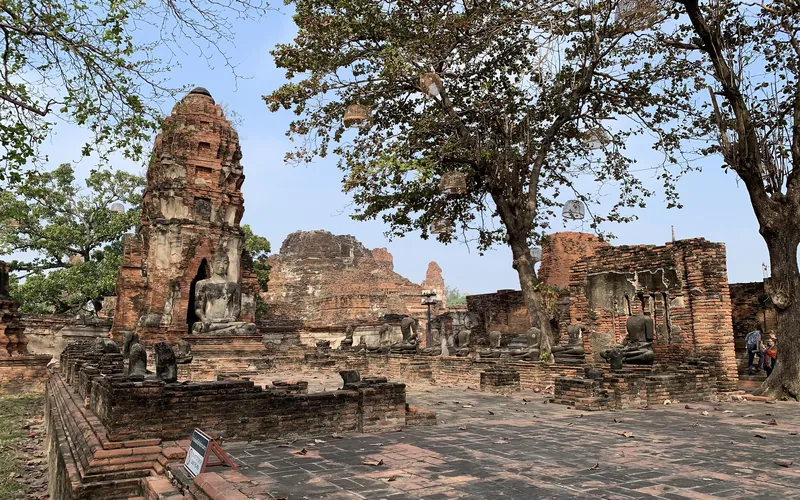
From Bangkok · 7–7.5 hours
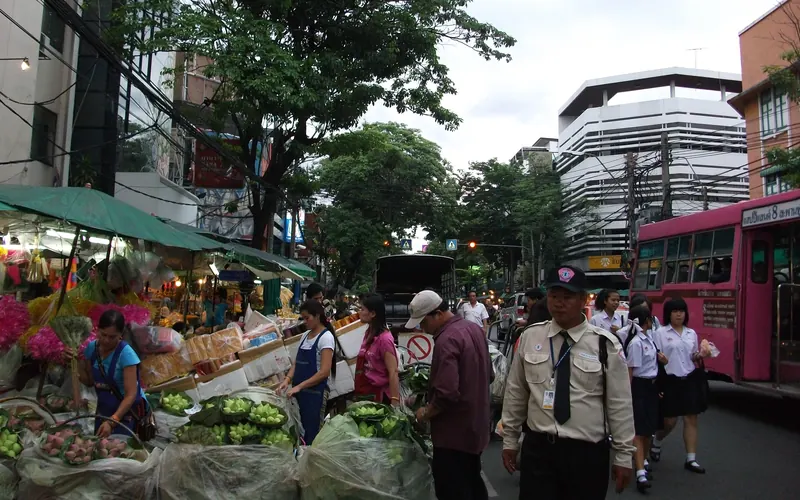
Pak Khlong Talat, old town · 3–3.5 hours
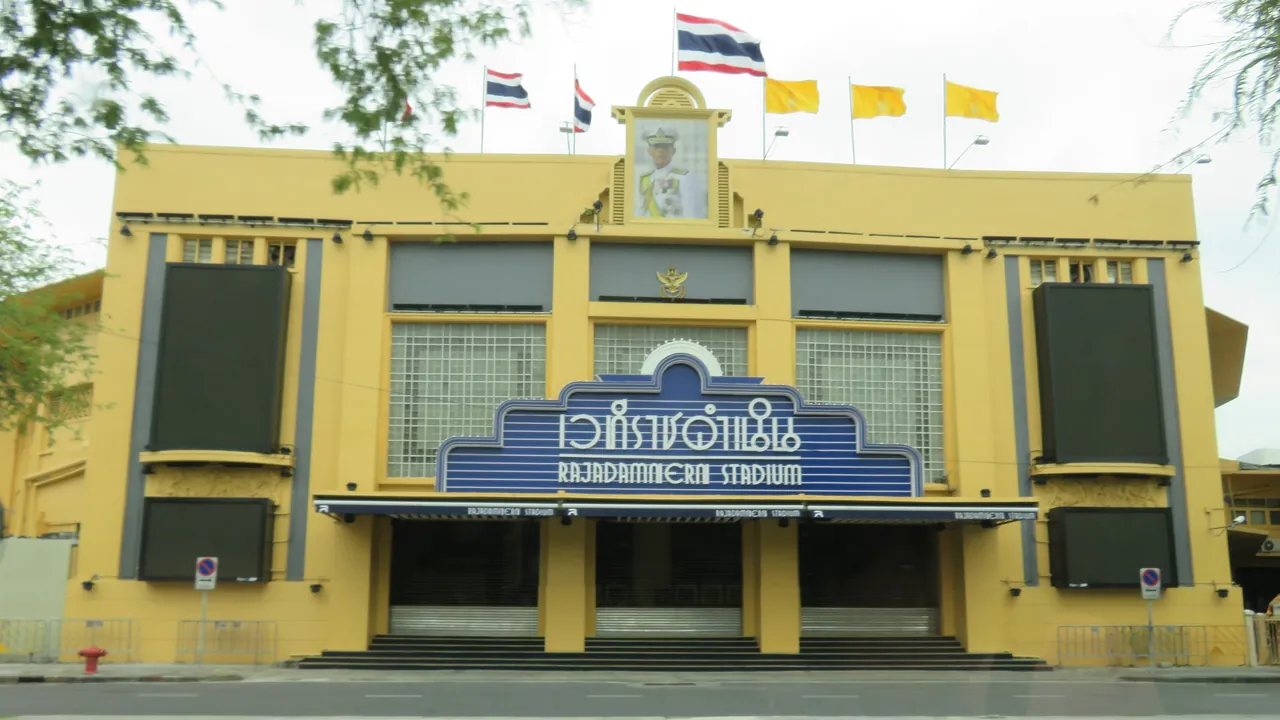
Ratchadamnoen, old town · 3 hours
ViaBangkok is an independent guide. Each guide shows the month its facts were last checked and lists its sources at the foot of the page; where sources disagree, it says so. The site sells nothing: links to GetYourGuide are affiliate links that fund it, at no extra cost to you. Photos come from the publisher, free photo libraries and Wikimedia Commons, credited where the licence requires it.

Gregory
I'm Gregory, from Brussels. I lived in Chiang Mai for three years and spent one of them studying Thai at Chiang Mai University. At the time I worked in the furniture trade and came down to Bangkok regularly to manage a shop at Chatuchak Market and others in shopping malls. I've made about twenty trips around Asia, mostly to Thailand.
About ViaBangkok and its author

